
Onto-epistemic injustice in the Amazon
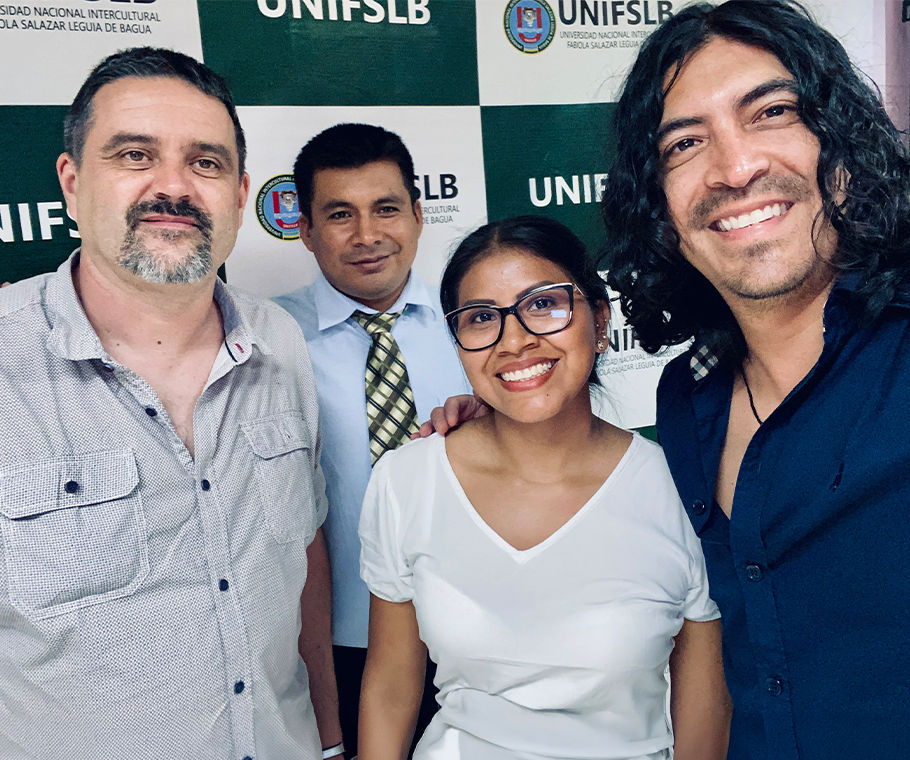
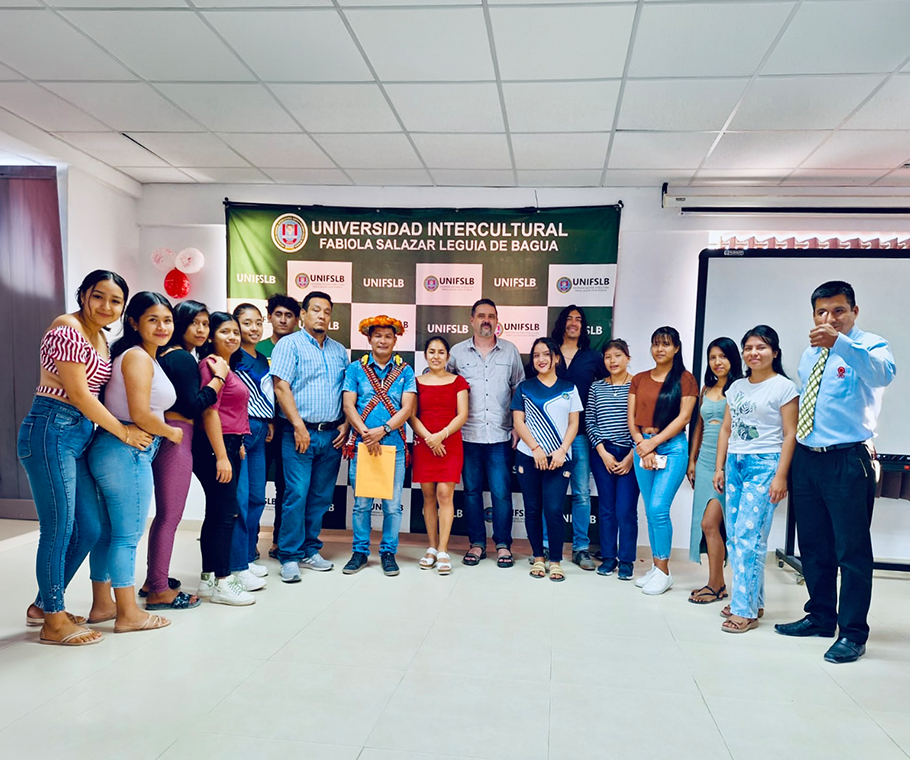
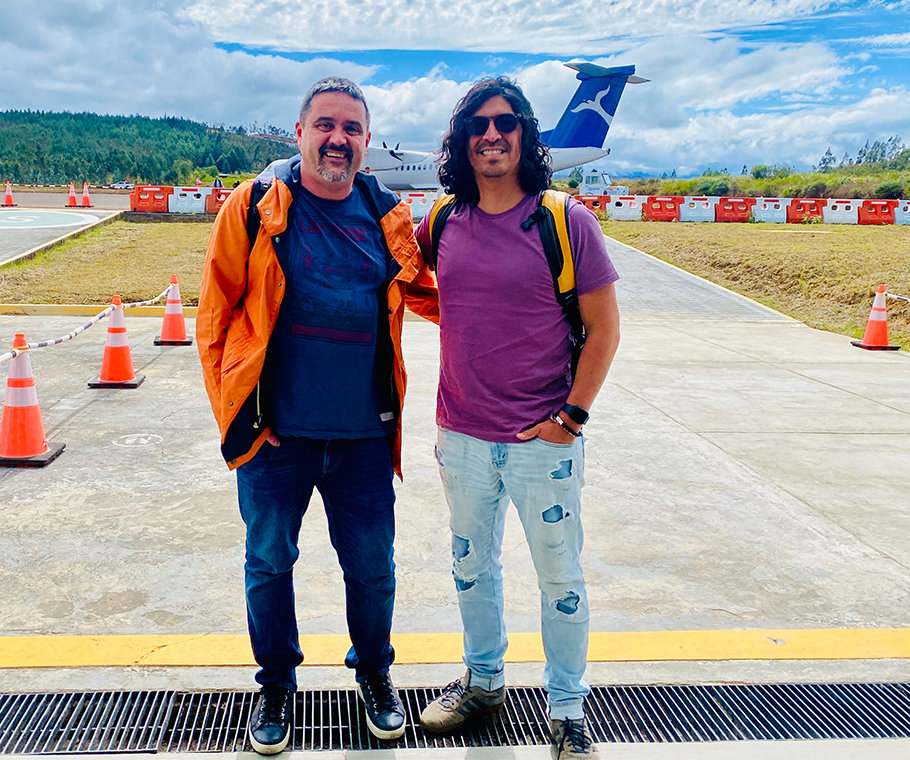
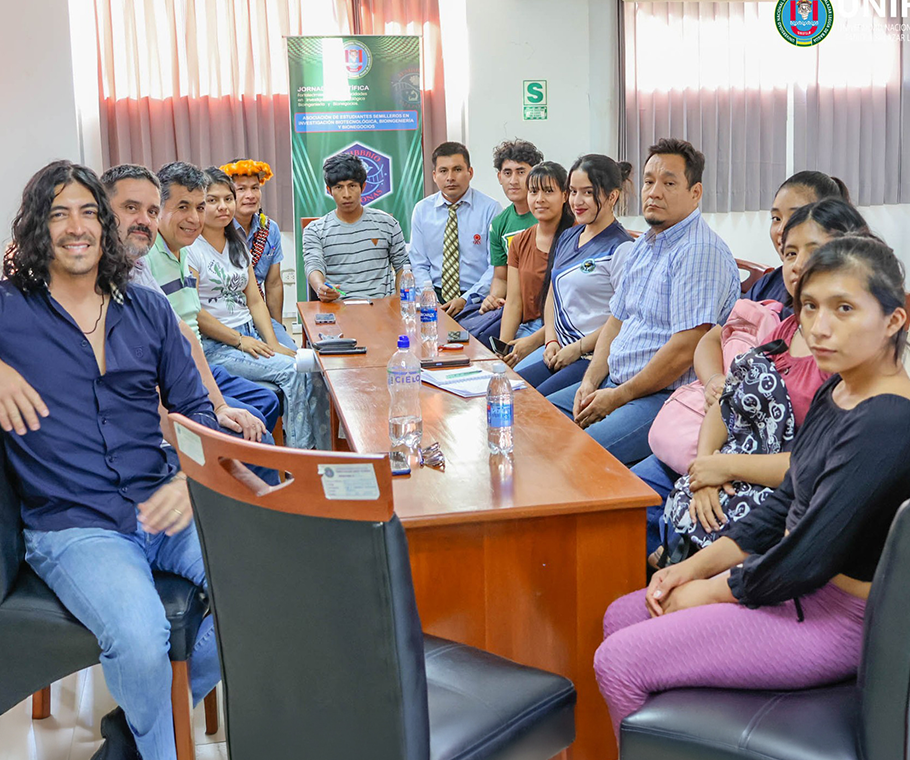
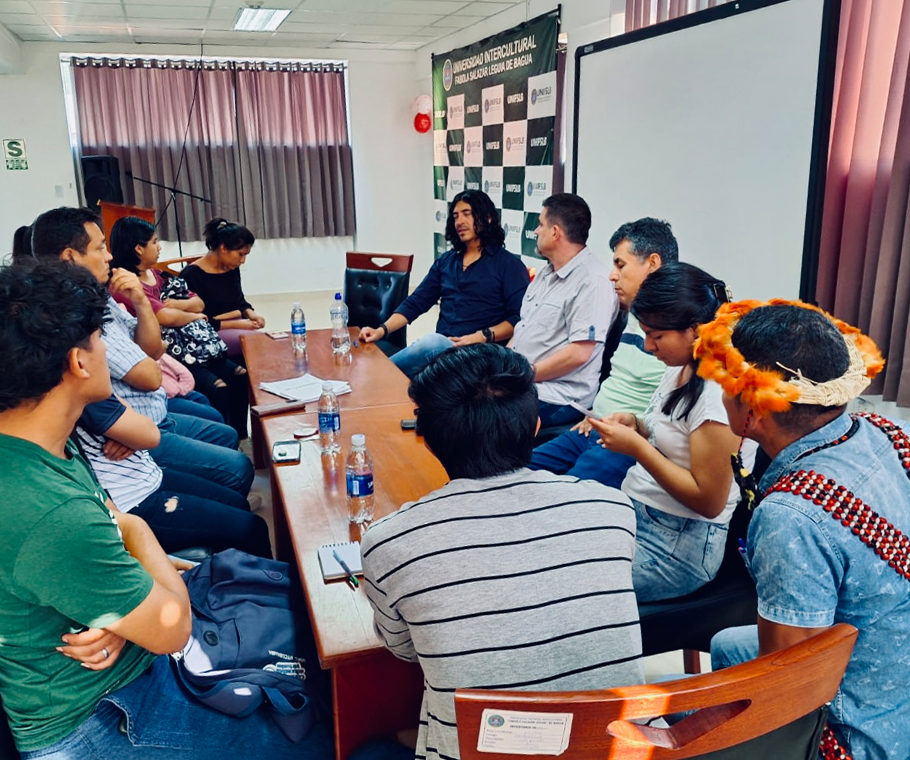
This research project is co-led by both the National University Toribio Rodríguez de Mendoza – UNTRM, in Amazonas, Peru, and SoSIM.
The study explores meaning-making and individual and collective responses developed within the public sphere of the Awajún, an Amazonian ethnolinguistic group, vis-à-vis Peru’s national health system during the COVID-19 pandemic. Our in-depth interviews with community members and historical-structural analysis of State-community relations reveal that COVID-19 meant to the Awajún both a health and an onto-epistemic crisis: While ontological insecurity, and more specifically, a fear of population control, was present among them, the Awajún also mobilized ontological translation and equivocation control, as well as identity politics by means of religious boundary blurring and self-reliance on formal and informal institutions.
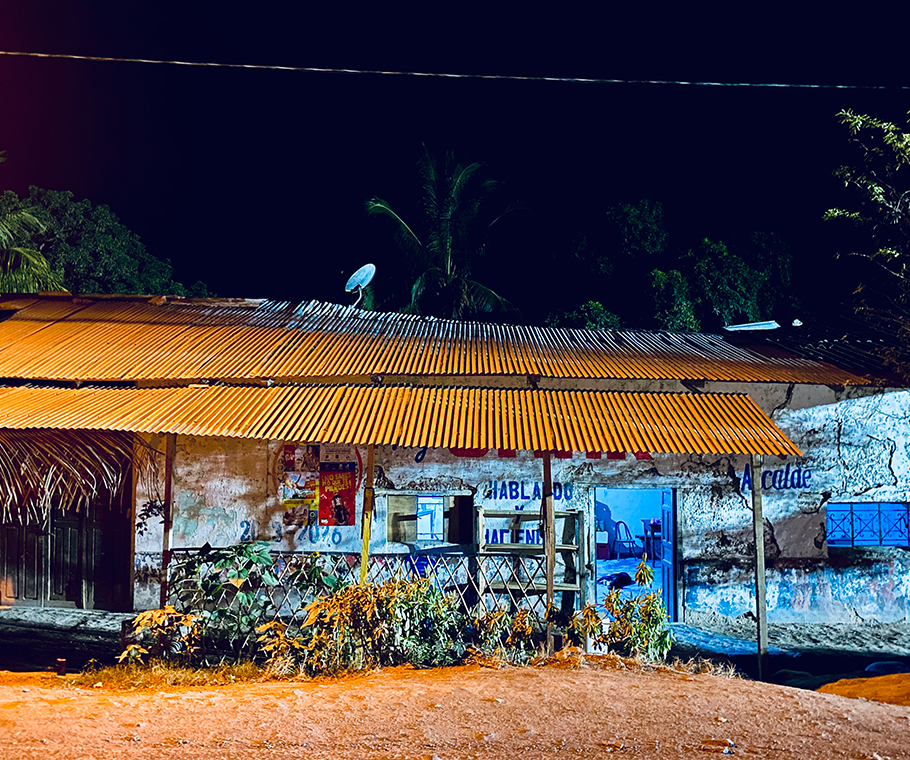
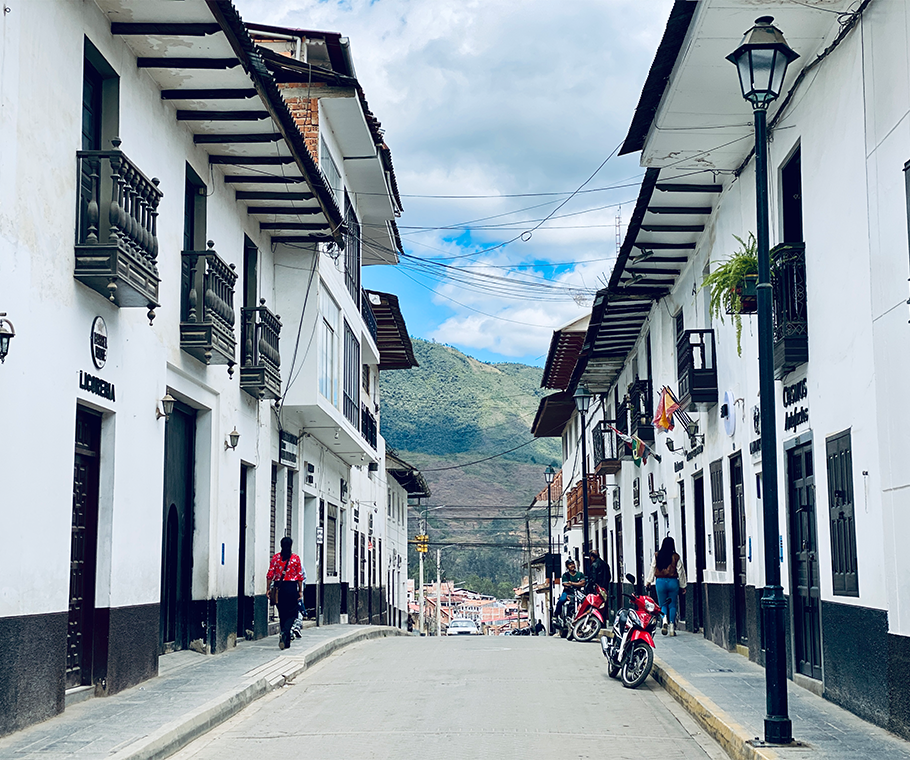
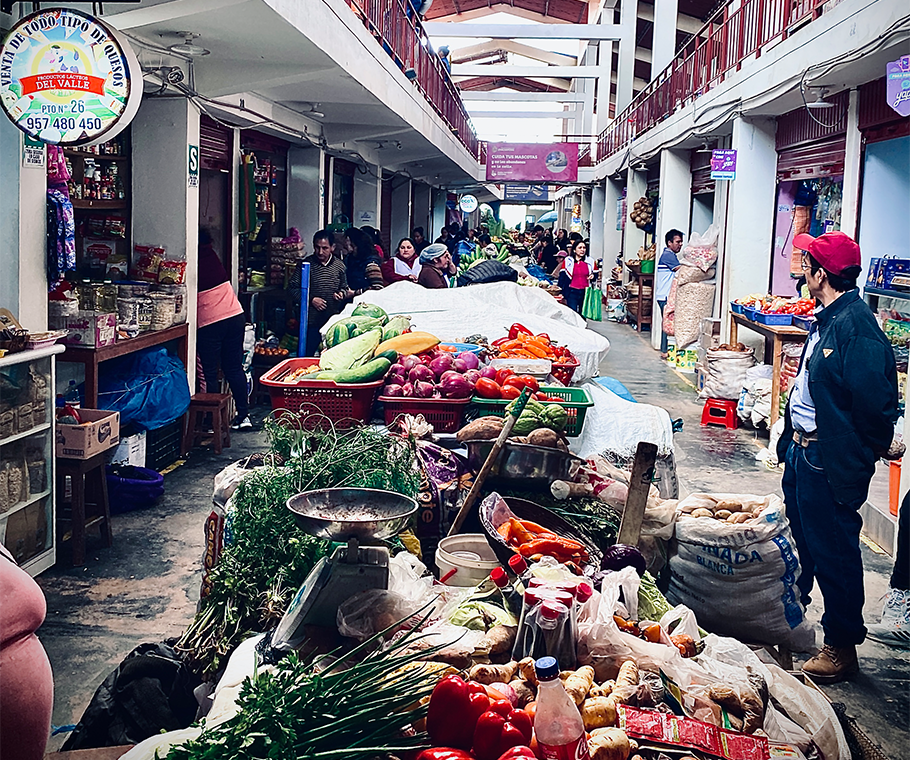
Fieldwork took place in three different areas: Cayamás, a community located at the Cenepa and Nieva rivers basin of Peru’s North-Western Amazon, and the Condorcanqui province of the administrative region of Amazonas; Mamayaque, one of the largest Awajún communities as well as one with the highest presence of external institutions at the Cenepa basin; and Pagkintsa, also at the Nieva basin.
PUBLICATIONS _
2026 | Luis Escobedo
_Alondra Oviedo, Luis Escobedo, Yshoner Antonio Silva Díaz, Hugo Fujishima Martel, and Angélica María Carrasco Rituay. ‘COVID-19 and the Awajún: An onto-epistemic crisis in the Northern Peruvian Amazon.’ _Journal of Intercultural Communication_, vol. 26, no. 2. [Read here]